How to Elevate Your Music Classroom with AV Gear in Australia
Classroom Technology Setup
Assessing Your Space
Understanding the layout and specific needs of your classroom is the first step in technology integration. As a music teacher looking to create a dynamic learning environment, consider how an induction loop can benefit students with hearing difficulties. This system, easily installed, can help ensure every student can enjoy the richness of music lessons. Positioning and acoustics are key, so be mindful of how your space at school compares to venues like the Queensland Performing Arts Centre (QPAC) in Brisbane. Tailor your classroom setup to meet similar acoustic standards for a professional feel.
Essential AV Equipment
Once you’ve mapped out your space, equipping your classroom with the right AV technology becomes crucial. A universal remote can simplify managing various equipment. By consolidating AV devices, you’ll spend less time troubleshooting and more time teaching. Aim to build an intuitive tech environment that mirrors the seamless transitions found in educator seminars at Griffith University. This will not only enhance the learning experience but also reinforce your teaching authority.
Integration Tips
Effective technology integration transforms a space into an interactive hub. One approach is to collaborate with local resources, like music stores in Fortitude Valley, to trial equipment before investing. By doing so, you can ensure every tool, from cables to digital audio systems, complements your teaching style and student needs. Focus on practical solutions that empower both you and your students to explore music in innovative ways, creating an inclusive and inspiring classroom atmosphere.
Choosing the Right Microphones
Types of Microphones
Exploring the world of microphones can be exhilarating for educators looking to enhance their classroom's audio quality. If you're aiming for superior sound, understanding the kinds of microphones available is crucial. Let me guide you through a quick rundown of the different types, starting with dynamic microphones, which are renowned for their durability and affordability. You will find them particularly useful in environments with varying sound levels. On the flip side, condenser microphones, which are more sensitive, offer richer sound for finer musical details. You also might consider lavalier microphones, which are small and hands-free, perfect for educators like you who need to move around the classroom freely.
Microphone Placement Strategies
Once you've chosen your recording microphone, placement is key to capturing clear and balanced audio. When setting up, ensure that the microphone is pointed towards the source of sound and is placed at a distance that balances quality and clarity. For classroom settings, consider using stands or mounting options to position microphones optimally. Avoid placing them too close to speakers or other noise-generating devices as this can cause feedback.
Enhancing Student Experience
Proper use of microphones can transform your students' learning experiences. By ensuring clear sound capture and effective microphone placement, you can make important auditory components more accessible. Even the best educational seminars at Griffith University leverage quality audio setups. Don't forget that reliable AV cables are essential for connecting your devices seamlessly, ensuring all audio-visual elements work harmoniously. As you integrate these tools, think about the technical excellence often seen at the Queensland Performing Arts Centre. Empower your students by allowing them to engage with lessons in a more dynamic and interactive way.
Recording Technologies in Class
Recording Software Options
In the heart of classroom technology lies an array of recording software options, each designed to amplify the learning experience. As a music educator, exploring these options can transform your lessons into dynamic sessions. Programs like Audacity offer a free, user-friendly interface perfect for beginners. Its open-source platform encourages technology integration advice, allowing both educators and students to dive into digital recording without straining budgets. For more complex needs, software like Ableton Live provides advanced features, ideal for high school settings that mirror professional studios.
Setting Up a Simple Studio
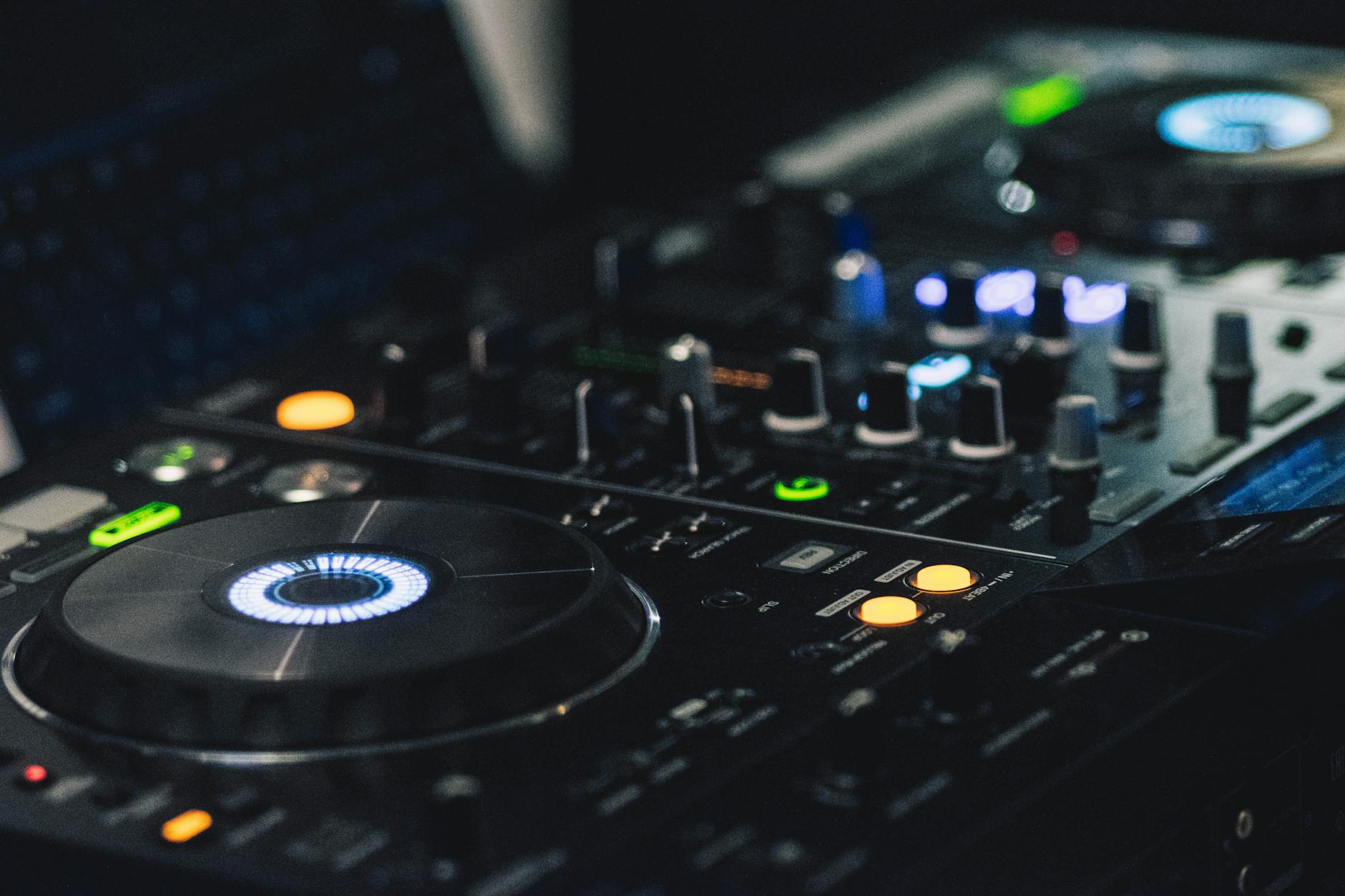
Crafting a simple studio doesn’t require extravagant equipment but a thoughtful selection of essentials. Begin by obtaining quality loudspeakers and a reliable microphone to capture clear audio. Position your setup to minimise echo and ensure all voices and instruments are clear. Consider incorporating a hearing loop system, particularly for students who benefit from enhanced audio accessibility, promoting inclusivity in your classroom. Taking a leaf out of the creative spaces at Griffith University, integrating versatile equipment that supports various teaching methods can cater to every student's unique learning style.
Best Practices for Recording
Establishing best practices for recording in an educational setting is crucial. Firstly, maintain a tidy workspace to avoid clutter interfering with sound quality. Regularly checking equipment functionality prevents disruptions. Engage students by assigning roles like sound managers or engineers, fostering responsibility and involvement. Finally, tap into resources around Brisbane, such as the Queensland Performing Arts Centre, which offers insights into professional AV setups. By empowering students through real-world examples, they become more engaged, making the learning process both efficient and enjoyable.
Visual Tools for Music Education
Interactive Projectors
As a music educator in Brisbane, integrating technology like data projectors into your classroom can transform how you engage with your students. Imagine using an interactive projector to display vivid musical scores or live performances, capturing students' attention with dynamic visual presentations. These projectors allow for real-time annotations on your content, making lessons more interactive and engaging. With features like touch-screen capabilities, you can manipulate musical notations, highlight key elements, and encourage student participation by having them interact with the visuals directly.
Using Visualizers Effectively
Incorporating visualizers can take your music lessons to the next level. Visualizers help illustrate complex concepts in harmony, rhythm, and dynamics, making them more accessible to students. By connecting a visualizer to your professional microphone setup, you can demonstrate how different vocal techniques impact waveforms, creating a more comprehensive learning experience. This real-time visual representation can be vital for students who are visual learners, allowing them to see and hear the nuances of music simultaneously.
Enhancing Lessons with Video
Using video clips can bring an extra layer of depth to your music lessons. Showcasing performances, historical footage, or tutorials can provide context and inspiration for your students. Platforms like those used in seminars at Griffith University highlight how videos can deepen understanding by connecting theory with practice. When selecting video content, choose high-quality pieces that align with your curriculum to enhance students’ appreciation of music and instill confidence in their abilities.
Avoiding Classroom Tech Mistakes
Simplifying Your Tech Setup
It's easy to get carried away with all the digital gizmos and gadgets out there, but sometimes we fall into the trap of overcomplicating our tech setups. When you're integrating new technology, especially in a place as dynamic as a music classroom, keep it simple. Start small by identifying the core requirements. Maybe you need a basic audio interface or just a reliable set of speakers—items you can find by browsing the musical gems at music stores in Fortitude Valley. The key is to build gradually, ensuring each piece is truly beneficial and manageable.
Prioritizing Student Engagement
While tech integration can greatly enrich the education experience, it should never overshadow student interaction. Remember, your students are at the heart of your lessons. Incorporating hands-on activities using visualizers or encouraging them to lead a session at the Queensland Performing Arts Centre (QPAC) are fantastic ways to keep the focus on students. Aim to balance tech use with active, student-centric learning, where each lesson feels like an educator seminar at Griffith University—a two-way exchange of ideas.
Routine Maintenance and Upkeep
Often, the excitement of new equipment leads us to overlook maintenance and upkeep. Regular check-ups are vital to ensure your devices are in top shape. Whether it's updating the software on your interactive projector or ensuring your microphones are in good condition, these small actions can prevent future headaches. Trust me, a bit of regular TLC—pun intended—will keep your equipment running smoothly and your teaching sessions creative and dynamic.